Considerations for Selling Municipal Property for Development
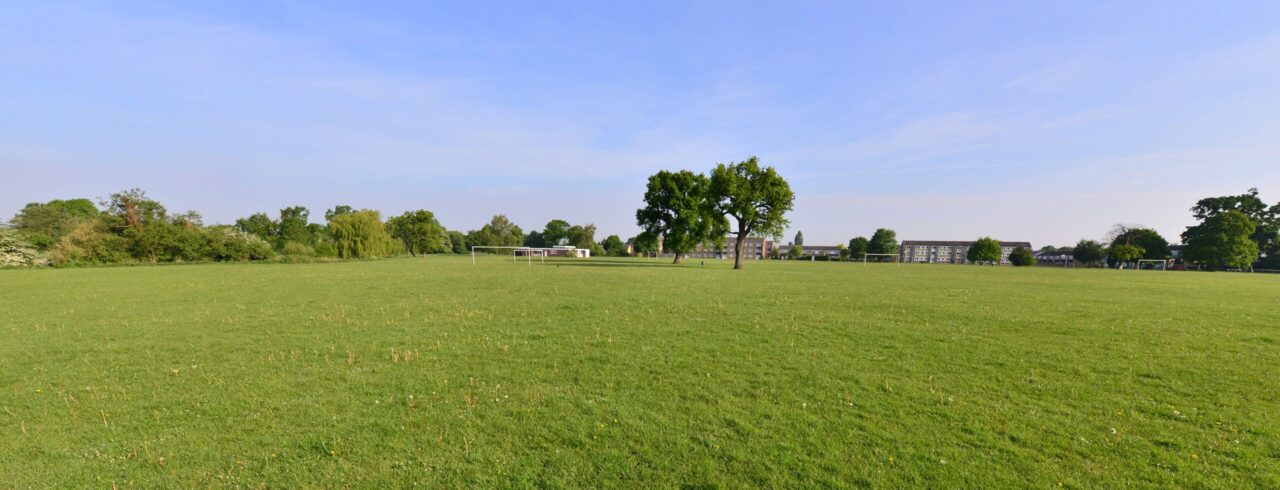
Municipalities frequently own “excess” properties—land, buildings, or facilities that are no longer essential to local government operations. While these parcels may initially appear to be liabilities, they often hold significant potential to support economic development, foster neighborhood revitalization, and advance long-term community goals.
This article discusses types of excess municipal property, outlines key considerations for municipalities evaluating the disposition of underutilized property, and explores strategies for maximizing public benefit. While specific disposition procedures vary by municipality, the considerations and strategies outlined here reflect commonly used best practices that municipalities can apply in their communities.
Types of Excess Municipal Property
Excess municipal property typically falls into one or more of the following categories:
- Obsolete Municipal Facilities: Buildings such as outdated City, Village, or Town Halls that require substantial capital improvements or no longer meet operational needs.
- Foreclosed Properties: Land or structures acquired by municipalities or counties through tax foreclosure proceedings.
- Gifted or Transferred Properties: Sites transferred from private owners or nonprofit entities that may not have an immediate municipal use.
- Environmentally Contaminated Sites: Parcels with known or suspected environmental conditions requiring review, analysis, and potential remediation.
Once municipalities identify excess properties, the next step is determining how to dispose of them effectively.
The Limits of the Traditional Auction Approach
Many municipalities rely on public auctions to sell surplus properties. Auctions are familiar, procedurally straightforward, and sometimes mandated by local law. However, auctions can present notable disadvantages—particularly for properties with strategic economic or community development value.
Once sold at auction, municipalities relinquish control over future use of the property. Buyers may hold a site for speculative purposes, allow it to deteriorate, or pursue development that conflicts with community plans. Critical downtown parcels, waterfront areas, or catalyst sites can suffer long-term negative impacts if acquired by owners whose interests do not align with local priorities.
Because of these risks, municipalities should carefully evaluate whether an auction is appropriate—particularly for properties with community-wide significance.
A Proactive Alternative: The Request for Proposals Process
Given the limitations of auctions, many municipalities turn to the Request for Proposals (RFP) process. Unlike auctions, a well-structured RFP enables municipalities to guide redevelopment outcomes while remaining transparent and competitive.
Benefits of an RFP-based disposition include:
- Evaluating Developer Capacity: Municipalities can assess a developer’s financial strength, experience, and track record.
- Controlling Land Use Outcomes: Municipalities can specify permitted uses consistent with local plans, such as downtown revitalization strategies or waterfront redevelopment visions.
- Influencing Design Quality: Municipalities can establish design expectations to ensure compatibility with surrounding buildings and public spaces.
- Setting Performance Expectations: Communities can require commitments related to job creation, tax generation, sustainability, public amenities, and other goals.
- Including Safeguards: Developer agreements can include clawback provisions that require project milestones, with consequences—including reversion of ownership—if obligations are not met.
Laying the Groundwork for an RFP
To ensure the RFP process achieves the desired community outcomes, municipalities should complete a series of preparatory actions before formally soliciting proposals.
Before developing and circulating an RFP, municipalities should collaborate closely with a municipal attorney or outside counsel to amend or develop local ordinances that enable the disposition process. In larger communities, planning and economic development staff should also be involved to ensure the approach aligns with community goals and development strategies.
With this foundation in place, municipalities can then undertake additional preparatory work to attract capable developers and reduce project uncertainty.
- Develop Community-Vetted Reuse Scenarios: Work with planning and design professionals to prepare conceptual alternatives for redevelopment. State-level funding sources for brownfield redevelopment, building renovations, and comprehensive plans may support this work.
- Conduct Environmental Due Diligence: Phase I and Phase II Environmental Site Assessments provide critical insight into potential environmental conditions and support informed decision-making. Developers typically expect this information, and completing due diligence in advance can help reduce barriers to investment.
- Gauge Developer Interest: Engage local and regional developers early to understand market feasibility, concerns, and potential challenges before issuing an RFP.
As municipalities move through this process, they should continue to consider any legal or procedural constraints that may affect disposition (see the Legal and Procedural Considerations section for additional details).
With these steps complete, municipalities are positioned to launch an RFP that is efficient, transparent, and aligned with community goals.
Developing and Circulating an RFP
An effective RFP clearly communicates expectations and evaluation criteria. At a minimum, an RFP should outline:
- Site and building background
- Community goals and policy context
- Environmental findings and constraints
- Potential funding sources and incentives
- Submission requirements (e.g., conceptual plans, renderings, financial disclosures)
- Developer selection criteria
The RFP should be widely distributed to developers, real estate professionals, attorneys, and local property owners. Press releases and targeted outreach can increase visibility and attract higher quality proposals.
Once a preferred developer is selected, municipalities should enter into a Preferred Developer Agreement for complex development proposals to establish an exclusive negotiation period during which final sale terms—including price, milestones, and clawback provisions—are finalized.
Note: Selling property for a nominal amount (such as $1) is generally discouraged. Such sales can generate community opposition, set undesirable precedents, and imply that the site or surrounding area lacks value.
Legal and Procedural Considerations
Legal and procedural requirements often influence multiple stages of property reuse and redevelopment. Municipalities should identify restrictions or legal requirements early in the disposition process to ensure compliance and avoid conflicts later.
Examples include:
- Deed Restrictions: Limitations that govern permissible uses or users.
- Foreclosure Sale Requirements: Rules vary by state. In New York State, for instance, sale prices for foreclosed properties may be required to meet or exceed back taxes owed, and recent legislation provides owners additional time and options to reclaim properties.
If statutory or procedural barriers prevent municipalities from using an RFP process, they may consider transferring the property to a local development corporation or other organizations that support economic development activities, or to a land bank, which can offer greater flexibility in managing redevelopment-driven dispositions.
Turning Municipal Property Into Community Value
Effectively disposing of municipal property presents both challenges and opportunities. While the process may be time-consuming, a strategic and proactive approach—particularly one driven by an RFP—can ensure that key properties become catalysts for long-term community revitalization. With patience, planning, and strong partnerships, municipalities can transform excess property into assets that benefit residents for generations.