More Than Secure: Designing Schools Where Students Feel Safe
Supportive learning spaces are safe learning spaces. With intentional design, school districts can create learning environments where students are not just safe but also feel safe.
Schools can respond to threats by introducing stronger interior and exterior security measures. The resolution is valuable but raises an important question: how do we keep schools secure without losing the welcoming, supportive atmosphere that makes learning and connection possible?
The Authors of Safety
Reducing the risk of threats requires a comprehensive and balanced strategy—one built through close collaboration among administration, emergency response personnel, design professionals, and the public. District administrators offer insights into building operations and daily procedures. Local authorities help inform preventive actions by sharing lessons learned from past events. Architects guide the integration of design, technology, and aesthetics to ensure safe and inviting environments for students and staff.
With this group exercise, threats and vulnerabilities can be identified—and so too can opportunities to help students feel safe rather than just see security.
When Safety Calls
School districts often include large-scale safety improvements in their Capital Improvement Plans (CIPs) so that more of the scope of work qualifies for state building aid. Site and building renovations, as well as new construction, provide time and funding for safety enhancements—and, most importantly, offer the opportunity to prioritize safety as a district-wide initiative.
However, if vulnerabilities, such as a non-functioning security camera or unsecure doors, exist before large project planning begins, in-house improvements or a Capital Outlay Project (COP) are recommended for quicker resolution.
Building Your Best Safety Solution
From lighting and fencing to high-resolution security cameras and license plate readers, it is up to the “authors of safety” to develop a district’s best safety solution. Often, this involves a blend of active and passive systems that continue to evolve over time.
Active systems typically require electrical connections, consistent monitoring, and notification systems (e.g., security cameras, building-wide paging and intercom systems, and access control systems). While highly beneficial for real-time monitoring and responsiveness, these systems can be costly and require ongoing oversight.
Passive systems are those that do not require electrical connection—everything from the physical school environment to intentional design choices made to ensure electrical stability. Most security enhancements are passively designed and are included within the design of a CIP.
Whether active or passive—or both working together—design consultants can help districts identify the safety solutions that best fit their buildings. The following are some design considerations that support environments where students are—and feel—safe.
 Lighting: Particularly during winter months and for after-hours extracurricular activities, proper lighting eliminates dark parking lots, sidewalks, fields, and building entry points. When paired with cameras, lighting ensures that blind spots in and around buildings are addressed through adequate coverage. Brighter lighting allows for better facial recognition on camera, but the lighting design and layout should minimize light pollution to neighboring properties. Visible and audible notification systems, such as visible-only blue lights, can alert people outside to potential interior safety concerns and temporary building access restrictions.
- Windows: Windows improve visibility inside and outside occupied spaces while providing ample natural light, as required by the New York State Education Department. Interior walls designed with windows create clear sight lines for added supervision and foster a sense of connection among students. Applying impact-resistant glazing or films enhances security while maintaining bright, open interior spaces.
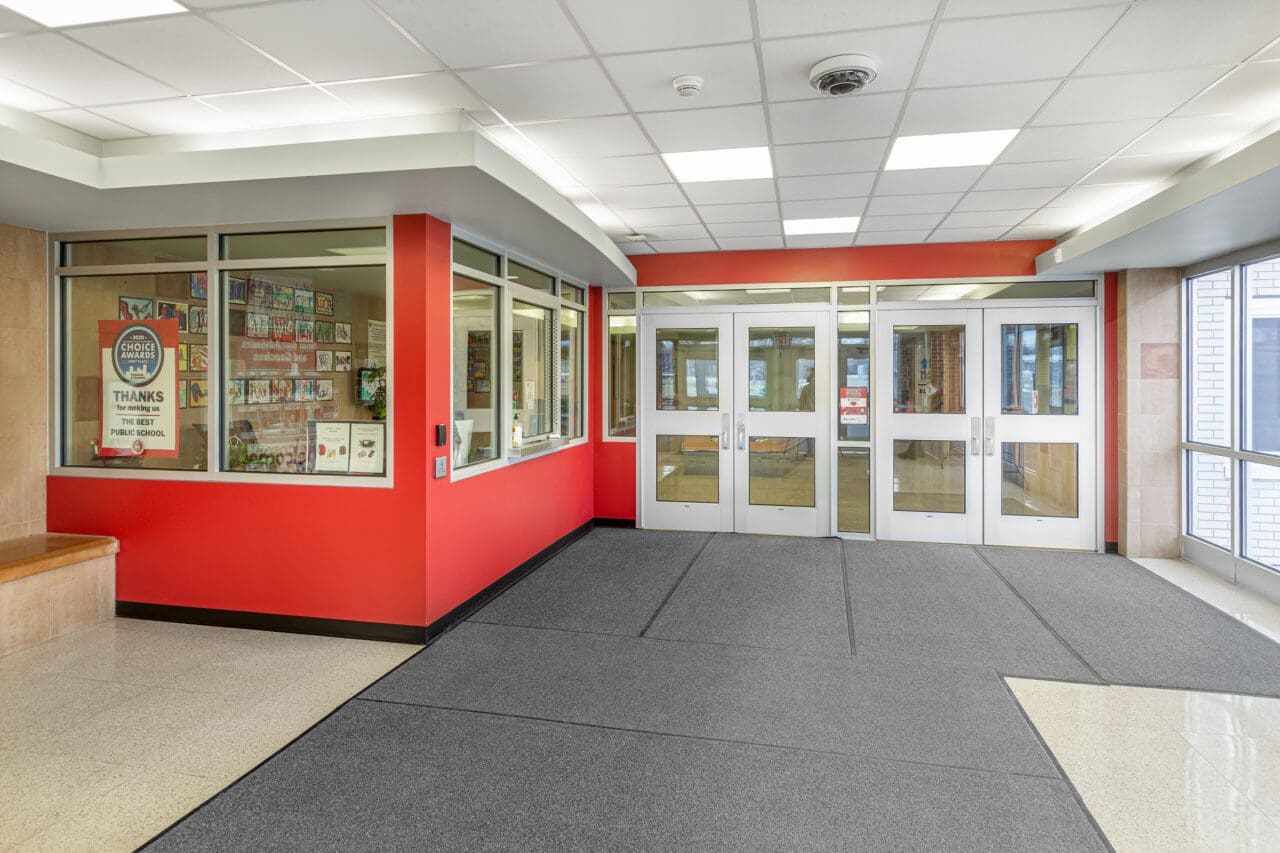
- Points of Entry: To be proactive, districts are redesigning entrances to engage visitors earlier. Establish pronounced boundaries with a single, clear point of entry defined by a combination of sidewalks, lighting, signage, and a secure vestibule with a dedicated security guard and established order of operations. Doors within the vestibule can include access control hardware for remotely controlled entry into the building.
- Circulation: Managing traffic flow supports safe circulation for pedestrians, cyclists, and vehicles while directing all visitors to a single point of entry.
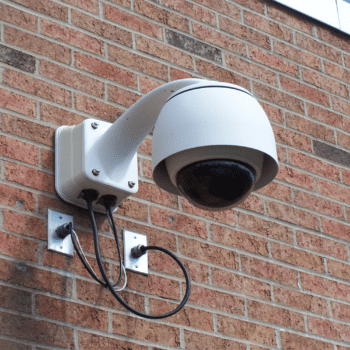
- Technology: Security technology can be a powerful tool when implemented thoughtfully. Cameras and metal detectors may cause anxiety if overemphasized, but when subtly integrated, they effectively fill security gaps. From closed-circuit televisions to fully monitored security systems, technology is rapidly advancing. Common systems being explored by districts throughout New York State include license plate readers and door access control hardware. Though costly—particularly for hardwired systems—door access control devices with programmed lockdown buttons enable authorized staff to lock all doors with the touch of a single button, isolating sections of a building. All emergency services (police, fire, and EMS) should be provided with full access cards and keys to ensure entry during lockdown events.
- Additional Considerations: Walls and doors can be reinforced to withstand greater impact at high-concern entry points. Folding partitions can isolate a section of a classroom if a door cannot be secured during a critical event. Smoke and carbon monoxide detectors, as well as sprinkler systems, must be maintained annually. It is vital that any solution be accessible to all individuals and comply with local and state agency codes.
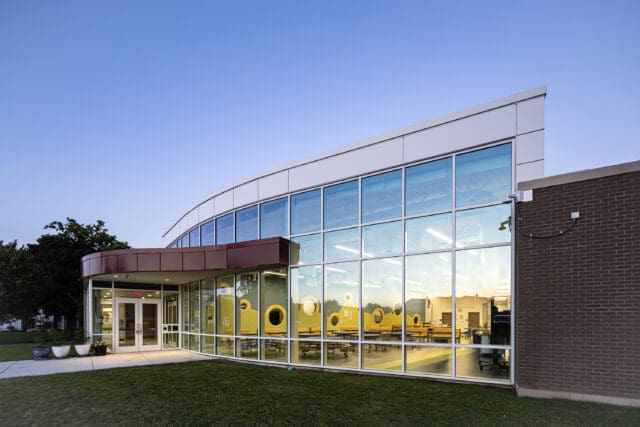
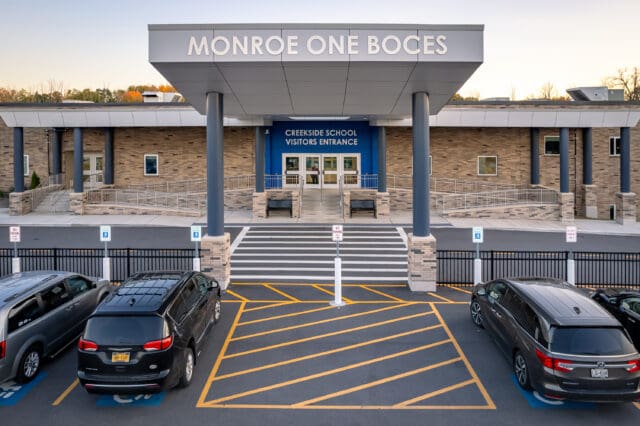
From windows-as-walls to license plate readers, safety design and technology should remain a top priority in any capital project. Effective safety management requires a balanced approach—one tailored to each building’s needs and sustainable for district staff to maintain and monitor. Physical safety improvements should also be complemented by other measures such as identification badges, accessible signage, and clear communication strategies.
A school’s safe and well-designed physical environment creates a foundation that supports students’ emotional, social, and academic development.

About the Author
Insights by Justin Shaffer, AIA: