Navigating Industrial Wastewater Pretreatment: Common Municipal Challenges and Practical Strategies
Industrial wastewater pretreatment programs play a critical role in protecting municipal wastewater treatment systems, safeguarding local water bodies where treated effluent is discharged, and supporting compliance with the Clean Water Act. As communities grow and industrial activity evolves, many municipalities find themselves navigating industrial wastewater pretreatment requirements with limited staff, aging program documents, and increasing regulatory expectations. Developing and maintaining an effective pretreatment program has become more complex than many municipalities anticipated. Understanding where pretreatment programs commonly struggle—and what approaches help municipalities address these challenges—can make the difference between a program that exists on paper and one that functions effectively over the long term.
The Municipal Reality of Industrial Wastewater Pretreatment
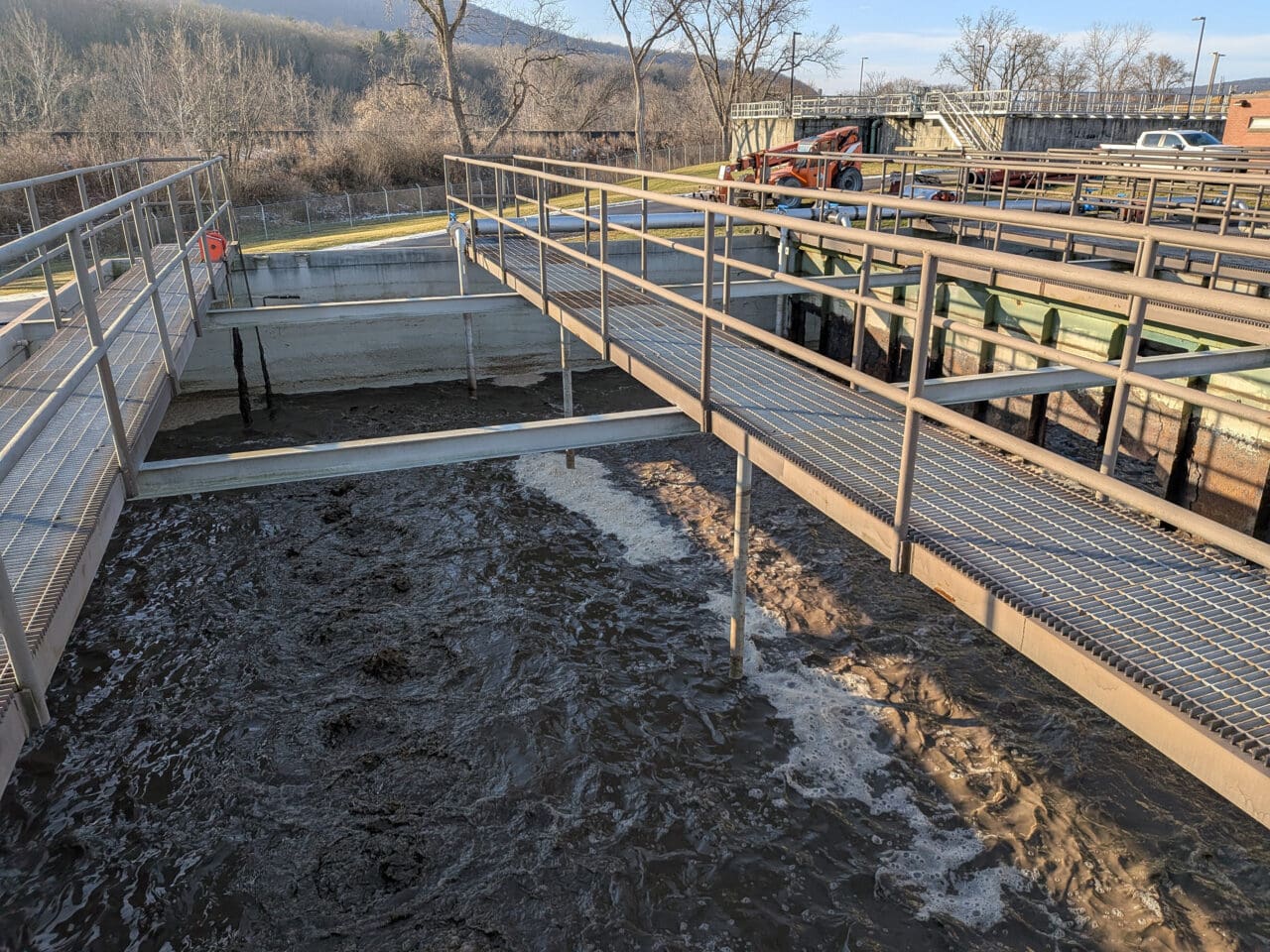
Municipal sanitary sewer systems receive wastewater from a wide range of users, including residential, institutional, commercial, and industrial sources. These systems convey the flow to a Publicly Owned Treatment Works (POTW)—the municipality’s wastewater treatment plant—where pollutants are removed before treated effluent is discharged to nearby surface waters or, in some cases, to groundwater.
While POTWs are generally designed to manage typical residential and commercial waste streams, industrial and nonconventional pollutants can place unexpected strain on treatment processes, infrastructure, and plant operators. Effective pretreatment—treating industrial wastewater before it enters a POTW—helps prevent these discharges from interfering with treatment processes, posing safety risks to plant personnel, or harming local rivers, lakes, and other receiving waters.
The United States Environmental Protection Agency regulates industrial discharges through the National Pretreatment Program, set forth in 40 CFR Part 403. This regulation provides the framework for controlling non-domestic (such as industrial and commercial) wastewater inputs into municipal sewer systems to protect POTW infrastructure and ensure the goals of the Clean Water Act are attained.
Responsibility for developing, implementing, and maintaining industrial pretreatment programs is shared among federal, state, and local agencies, as well as industrial users and the general public, depending on the locality. However, the day-to-day operations of these programs, including permitting, monitoring, and coordination with industrial users, often fall largely on municipal staff, who must balance these regulatory obligations with operational demands.
Where Pretreatment Programs Typically Struggle
Experience across municipalities shows that pretreatment programs require continual attention. A common misconception is that once a program is approved, only minor updates are needed. In reality, industrial activity, treatment system capabilities, and regulatory expectations evolve over time, requiring ongoing review and adjustment.
Day-to-day program demands can include routine sampling and compliance report reviews, recurring permit updates, enforcement response actions when violations occur, and consistent communication between industrial users and POTW staff. For many municipalities, limited staffing and specialized expertise make it difficult to keep pace with these demands.
Documentation and follow-through also present ongoing challenges. Maintaining complete records, tracking corrective actions, and coordinating internally across departments are essential for consistent, audit-ready program management; however, this can be difficult to sustain without clear procedures and dedicated resources.
Another common obstacle involves maintaining accurate, up-to-date information on industrial users. Reliance on outdated surveys or incomplete process information can leave gaps in understanding how industrial operations affect the treatment system. In addition, misunderstanding what constitutes a Significant Industrial User—generally an industrial discharger subject to specific pretreatment regulatory requirements—or when categorical standards apply can result in permitting or monitoring deficiencies that surface during inspections or audits.

What Successful Municipalities Do Differently
While pretreatment programs vary by municipality, successful programs tend to share several common characteristics.
Clear, Usable Procedures
Strong programs are built around practical procedures that support consistent implementation—even as staff roles or personnel change. Program documents serve as working tools, not just compliance artifacts.
For example, in Lawrenceville, Virginia, the Town needed to create a pretreatment program within a tight regulatory timeframe to meet Virginia Department of Environmental Quality (VA DEQ) requirements. The focus was on creating clear, defensible documentation that could be sustained over time. With support from VA DEQ, an industry representative, and technical experts, the Town developed a complete program framework, including permits and an updated sewer use ordinance. This structure allowed Lawrenceville to secure program approval and establish procedures that support long-term administration.
Monitoring and Enforcement
Well-defined sampling protocols and consistent review of monitoring data support informed decision-making. Clear enforcement response plans help municipal staff respond to violations in a fair, predictable manner, reinforcing accountability while maintaining transparency.
Proactive Communication
Open lines of dialogue between POTW staff, industrial users, and regulators help align expectations and address issues early, before they escalate into violations. Meaningful industrial user outreach, particularly during program updates or operational changes, reinforces shared responsibility for protecting municipal infrastructure and the environment.
In Hornell, New York, a multi-year compliance schedule required the City to strengthen and formalize its pretreatment program to meet the New York State Department of Environmental Conservation (NYSDEC) approval requirements. With multiple industrial users across a range of sectors, both communication and careful coordination were critical to ensure all stakeholders understood program requirements and could implement updates effectively. The City partnered with NYSDEC and industry representatives to document its program, update permits that had not been revised since the 1980s, and amend the sewer use ordinance. These updates improved operational clarity and aligned the pretreatment program with regulatory expectations, positioning the City for long-term compliance.
Consultant Support When Needed
In many cases, municipalities also benefit from engineering consultant support, particularly when regulations or local priorities change, industrial activity increases, or internal staffing is limited. Consultants such as LaBella can help pretreatment programs avoid common pitfalls and strengthen long-term program performance.
In the Town of Erwin, New York, aging program documents, expiring permits, and changes in industrial activity and wastewater flows prompted updates to the pretreatment program. By working closely with the NYSDEC, industrial users, and LaBella, the Town refreshed procedures, renewed permits, and implemented ongoing compliance monitoring. These efforts help Erwin keep documentation current and support reliable wastewater treatment plant operations.
Adapting to Regulatory and Industry Trends
While successful municipalities follow best practices, even well-structured pretreatment programs are influenced by evolving regulatory and industry trends.
Increasing attention to emerging contaminants—such as PFAS (per- and polyfluoroalkyl substances)—alongside chlorinated organics and industrial solvents has heightened expectations for municipal awareness and proactive evaluation, even as formal regulatory limits continue to develop.
Technology is also changing how pretreatment programs operate. Automated samplers, real-time monitoring tools, and cloud-based reporting systems enable more precise data collection and quicker issue resolution. At the same time, audits and inspections increasingly emphasize documented procedures, clear enforcement response plans, reliable sampling data, and transparent permitting decisions, reinforcing the importance of consistent program management.
For municipalities, these trends point to the need to design pretreatment programs that are adaptable, well-documented, and scalable over time.
Outcomes Municipalities Can Expect
When industrial wastewater pretreatment programs are thoughtfully structured and actively managed, the benefits are tangible. Municipalities often see improved compliance rates, reduced pollutant loading to treatment systems, and greater confidence during regulatory audits. Clear procedures and consistent communication can also lead to more efficient permitting and monitoring workflows, easing administrative burdens on staff.
Beyond improved compliance, strong pretreatment programs help protect treatment infrastructure, safeguard environmental quality, and reinforce trust among municipal staff, industry partners, and the broader community they collectively serve.

About the Author