Building Consensus and Community: Rethinking Public Engagement
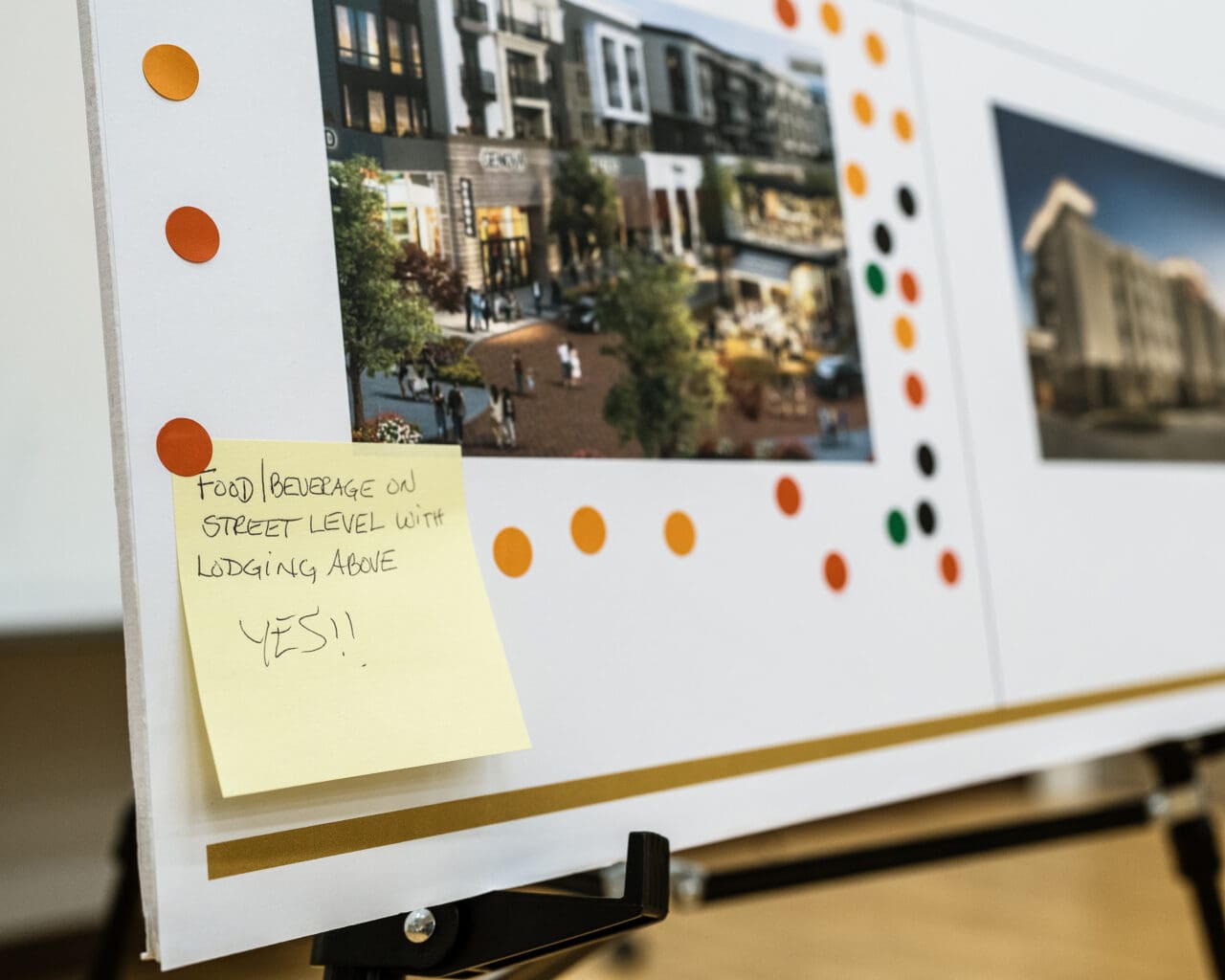
Public engagement should be intentional, modern, and community-building—not just procedural. Planners and municipalities across the country are rethinking their approaches. Traditionally, public engagement was viewed narrowly as a way of informing the public about changes in their community. More recently, the trend is shifting, and practitioners are prioritizing community involvement to more radically shape the development of plans and projects themselves. This is an opportunity for municipalities to not only do their due diligence but also develop better, more representative plans in the process.
Building Consensus
Everyone sees a project through a unique lens, making unanimous decisions unlikely. Modern engagement is shifting away from convincing everyone to agree and toward building consensus and buy-in through trust, relationship building, and honest conversations. In comprehensive planning, we do this by prioritizing early and frequent involvement of all members of the public. Conversations about trade-offs, constraints, and benefits should be clear. If residents feel genuinely heard from day one, and if all voices are represented in the decision-making process, they may be more willing to make concessions or accept new ideas.
Community Building
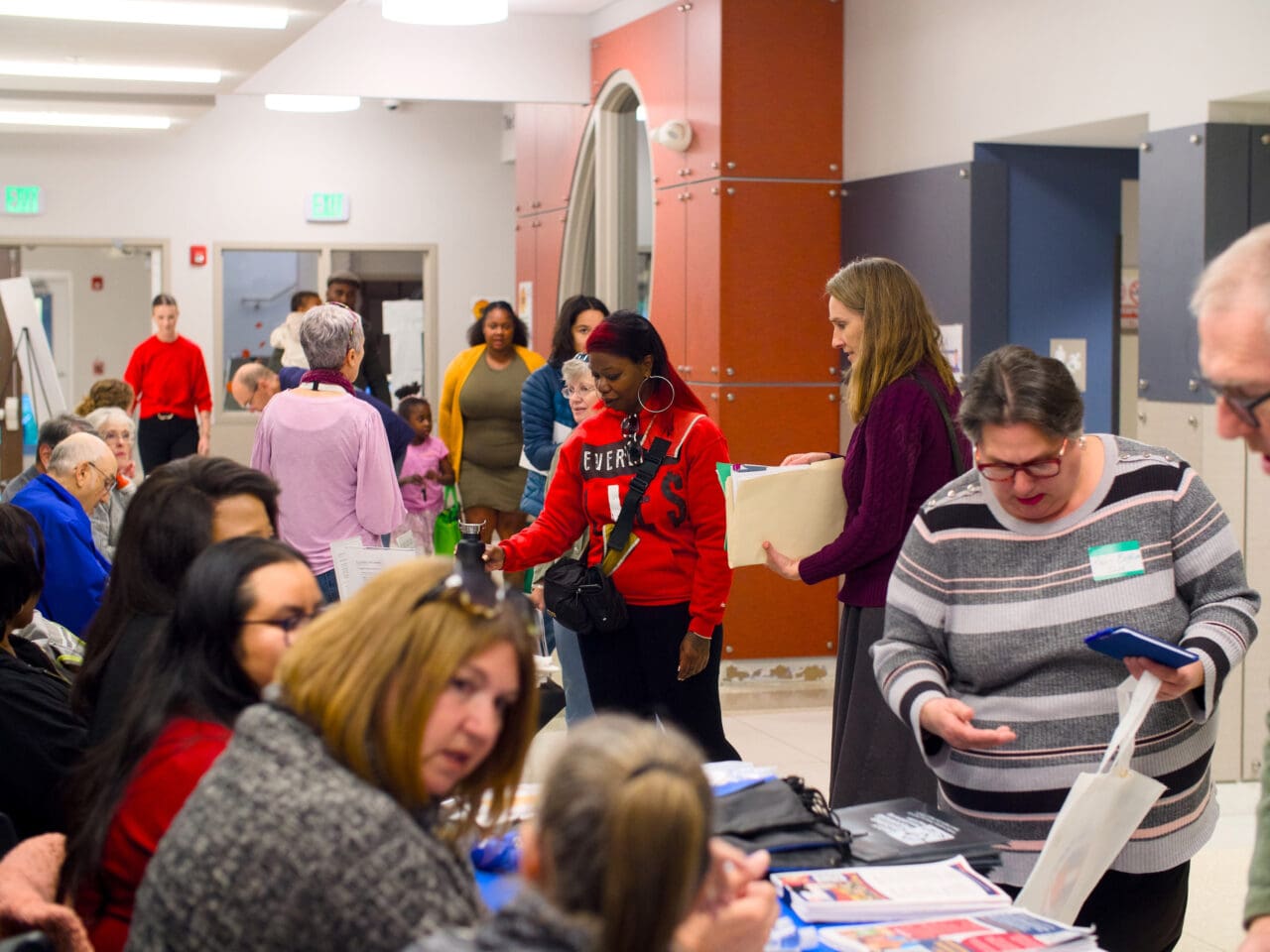
Community building is not just an “extra”; it is a strategic benefit to the planning process. Yet, public engagement events are often a missed opportunity to foster these connections. Workshops should be designed not only as a venue to share information and gather input but also as a way for neighbors to connect, converse, and better understand different perspectives. When people feel comfortable, welcomed, and among friends, conversations tend to be more constructive, leading to better project outcomes, fewer conflict points, and stronger implementation.
Fun in Public Engagement

Fun is not just frivolous; it is functional. A major challenge for planning today, especially since the COVID pandemic, is encouraging the public to attend in-person workshops and meetings. Planners and municipalities must be creative. Making public engagement fun may seem difficult when there are many competing priorities in a decision-making process, but it is achievable.
Workshop approaches that use participant-led facilitation to guide meetings, rather than municipal- or consultant-led, create opportunities for free-flowing discussion, which can lead to creative, organic problem-solving. Alternatively, consider making the event more visually appealing by integrating public art or exploring alternative locations for events, such as local breweries or coffee shops. It is important to treat the work you are doing to make your community a better place as a celebration of progress.
Putting It Into Action—The Who, What, When, Where, and Why of Engagement
Putting these ideas into action starts with being intentional about engagement from the outset of a project. The following test questions offer a simple but effective framework for aligning efforts with desired outcomes, from consensus building to long-term community trust.
Who do you want to engage with?
Engaging the whole community is often vital, especially during a comprehensive or larger-scale planning process. But are there groups in your community that are often underrepresented in engagement? How can you target outreach to these groups to ensure their voices are heard? Today’s trend in engagement focuses on meeting the public where they are. Bring a project directly to existing events and trusted venues where traditionally underrepresented groups may feel more welcomed into the process.
What engagement activities will you use to reach them?
Lean into and tailor engagement plans to the needs of and what works for your community. Modernizing engagement doesn’t have to mean reinventing the wheel. Maybe a major annual event occurs during your visioning process; what a great opportunity to host a tandem event. If you know that youth and young professionals in your community respond well to social media, share tailored posts. Maybe the YMCA serves as your main community hub; hosting a table there for an afternoon may engage those you typically wouldn’t hear from.
When during your process will you engage?
This is an important question to ask at the very beginning of a planning project. Generally, we want to engage the public early and often to encourage buy-in on a final plan. However, prioritizing meaningful engagement throughout is key. Choose how your project team will guide public involvement early on and treat engagement as a living and iterative process.
Where can you host or participate in meetings/events that will make you accessible?
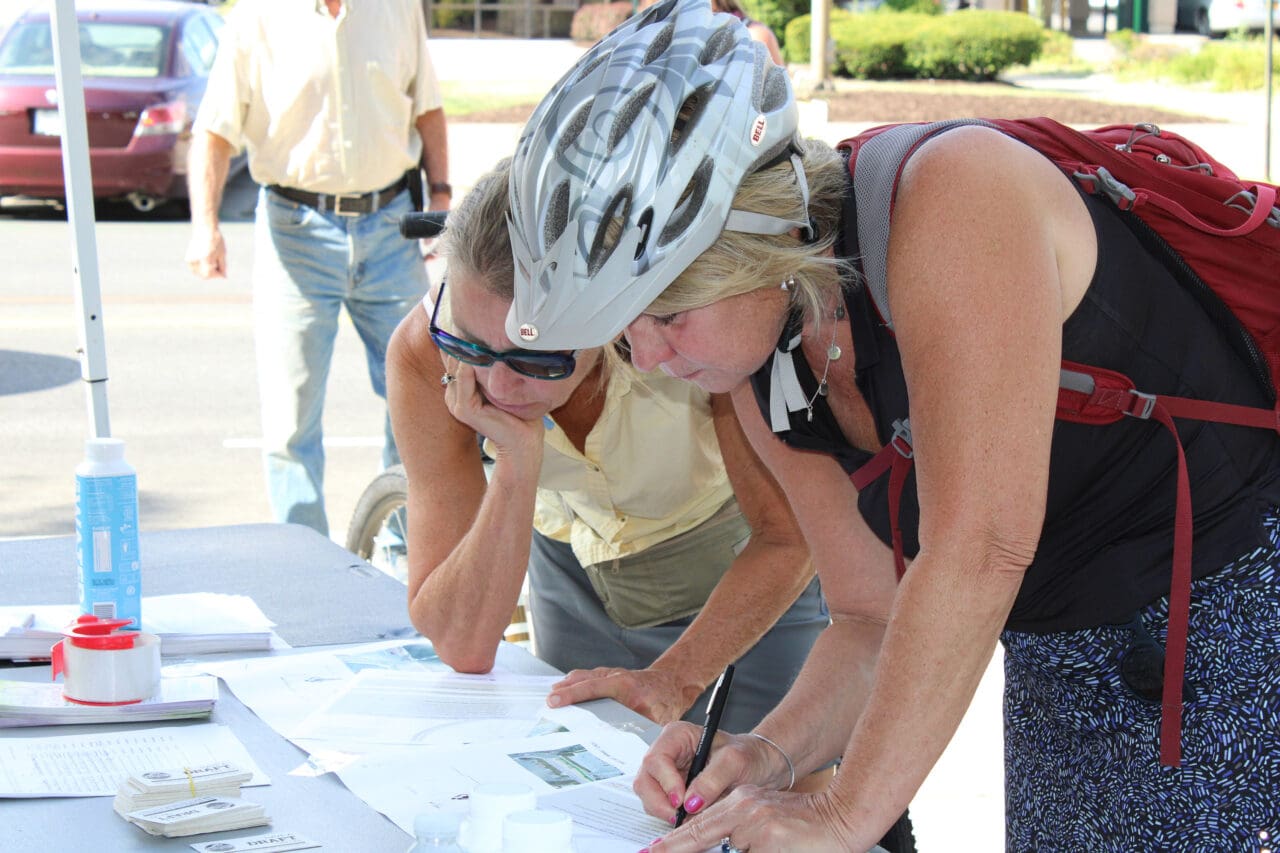
Meet people where they are. Sometimes, the most accessible and realistic location for a public meeting is your Village or Town Hall. However, a workshop at a popular restaurant at the center of your study area might create a more comfortable atmosphere for candid conversations. If the project prioritizes transportation and mobility, ride the bus and chat with public transit system users while they ride. Don’t forget to consider online engagement as an alternative for those unable to attend a meeting or those who prefer to participate at their convenience.
Why do you want to engage? What are your goals of engagement?
This is arguably the most critical question a municipality should ask before initiating public engagement. There are several great ways to engage people. Some are traditional presentations and Q&A formats; others are more creative and abstract, like working with artists to create community murals. Before committing to the methods, first understand your goals. Take the time to think about the key groups you want to engage, what you really want the community to provide input on, and how you will use the information gathered to inform the plan or project. It is always worth the extra upfront effort.
To activate the power of public engagement and improve project outcomes, municipalities must tailor their approach to the needs and priorities of their community. By asking the right questions early on, municipalities can design engagement strategies that reflect their community, support consensus building, and strengthen project results along the way.