How to Meaningfully Engage Communities in School Design
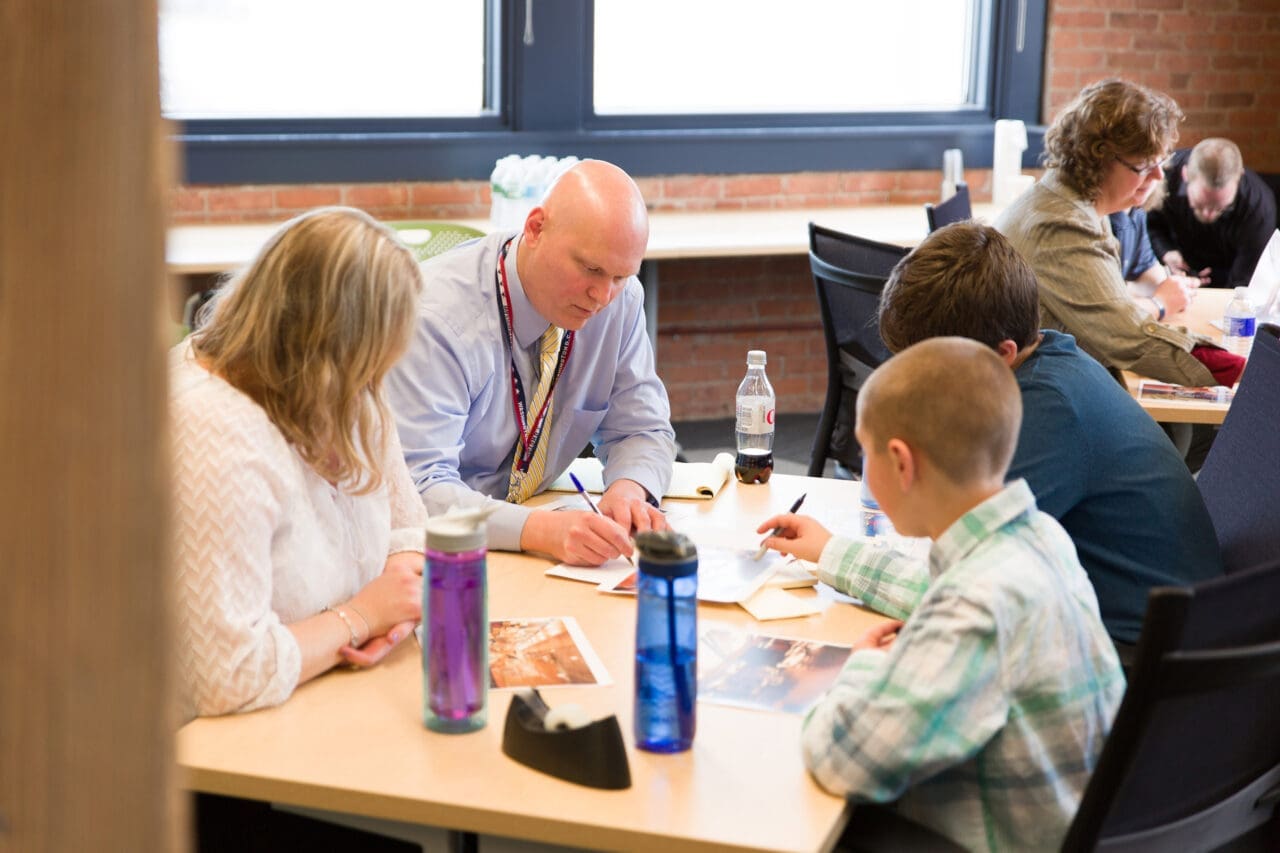
Designing schools is more than creating functional spaces; it’s about shaping environments where students, educators, and communities can thrive. When designers and educators actively engage communities early in the process, they gain critical insight into how spaces are used, what challenges exist, and where priorities overlap or conflict. Meaningful engagement ensures that school design reflects the real needs of its users, builds trust among stakeholders, and lays the groundwork for decisions that are supported and embraced by the community.
Why Early Community Engagement Matters
By starting this process early, designers can ensure that the foundational decisions—layout, program priorities, and resource allocation—reflect the needs of those who use the spaces every day. The first step is to establish project buy-in by ensuring users are actively involved in defining goals and shaping design decisions. When students and staff have autonomy over the spaces they inhabit, they are more likely to take care of the facilities and become stewards of their environment.
Engagement also sets the stage for future-ready learning environments. Research shows that modern learning increasingly emphasizes collaboration, cross-disciplinary problem-solving, flexible group work, and technology-enabled instruction. As new capital improvement project (CIP) funding becomes available, it’s critical to design spaces that support these emerging learning models.
Engaging stakeholders early allows design teams to challenge traditional layouts and create environments that support diverse students, active learning, and adaptable pedagogical approaches. By integrating community input from the beginning, schools can be designed to meet current needs and evolve alongside educational trends, promoting student success and well-being for years to come.
Methods for Gathering Community Input
Gathering community input is intended to bring stakeholders together for open discussions that can spark interesting ideas, identify key discussion points, and inform further questions. This includes board members, administrators, educators, students, parents, and community members. Their feedback helps guide design decisions.
The first step is to determine which method of data aggregation is best suited to extract the required information. In-person or virtual meetings provide firsthand responses from a diverse group of people. However, it’s important to consider that people might feel uncomfortable speaking candidly in public forums. Others may have limited ability or resources to participate in person. To ensure broad engagement, provide written options, like surveys and questionnaires, that can be completed independently as well.
It is also critical for designers to ask the right questions. Stakeholders can expect to answer inquiries about:
- The past: What has worked in your school? What hasn’t?
- The present: Who is using the space? How are they using it? What are their priorities? Is the space meeting those priorities?
- The future: Where do you see education going in the next 10 years?
Community information gathering should include multiple sessions across a variety of methods. This process is often structured as a cycle of input, analysis, decision-making, and feedback. As more information is gathered, the design team will make revisions, gain feedback, and obtain additional input, continuing this cycle until a design solution is achieved.
Using Community Input in Design
As information is gathered, the design team interprets large volumes of feedback that can sometimes be complex or contradictory. The goal is to identify common themes and priorities across stakeholder groups and translate those insights into design solutions that respond to the community’s needs.
For example, a survey distributed to students, teachers, and administrators during the planning of classroom renovations may reveal different priorities among each group.
- Students may prioritize comfort and opportunities for collaboration.
- Teachers may emphasize the need for flexibility and adequate storage.
- Administrators may focus on supervision and safety.
Understanding these varying perspectives helps the design team identify overlapping needs and balance competing priorities. The resulting design can then incorporate flexible layouts, collaborative areas, and improved visibility to address the concerns of multiple stakeholder groups.

Beyond informing specific design decisions, community input also helps establish guiding principles for a project. CIPs are typically multi-year endeavors—often at least five years—spanning master planning, pre-referendum work, project development, and construction. Engaging the community early in this process helps create a design roadmap that guides decision-making throughout the project. This roadmap helps prioritize funding decisions and provides a framework that supports both district and community goals across current and future initiatives.
As with any publicly funded project, K–12 CIPs rely on voter approval for the proposed propositions. Without strong voter turnout and community involvement, even well-planned projects are at risk of failure. Prioritizing community engagement builds trust within the broader district and fosters a sense of ownership among stakeholders.
Meaningful community engagement transforms school design from a purely technical process into a collaborative effort. By listening to students, educators, administrators, board members, parents, and community members, designers can identify common themes, establish guiding principles, and make informed decisions that balance competing priorities. Ultimately, when stakeholder input is incorporated into the design process, the resulting spaces are more functional, adaptable, and aligned with community needs.
Success at Fairport Central School District

Fairport Central School District’s 2023 CIP provides a strong example of how community input can help guide meaningful school design.
As part of the District’s long-term facilities planning, the project focused on preparing Fairport High School to meet the evolving needs of students and educators. Key components include:
- A new STEM addition designed to expand hands-on learning opportunities in areas such as robotics, engineering, and advanced technology.
- The renovation of the school’s library into a modern, flexible hub for collaborative learning and student support services.
Together, these improvements reflect the community’s need for adaptable, future-ready learning environments that support both traditional programs and emerging educational needs.
With the complexity and variety of the project’s scope, engaging a broad range of community members throughout the process was essential. The design team worked closely with District leadership, administrators, educators, and staff to better understand how existing spaces were being used and where improvements were most critical. Input was gathered from students and other community stakeholders to help ensure the proposed spaces would support both current programming and future educational goals.
Through a series of in-person meetings, the design team was able to distill what worked—and what didn’t—in their existing spaces and how a new facility could positively impact the community. This collaborative approach enabled the design team to develop solutions that reflected the priorities and day-to-day experiences of the people who use the school most, while also building community support for future capital improvements.
The 2023 CIP officially moved into construction in June 2025. District leaders, board members, community partners, and students gathered to celebrate the groundbreaking of the new addition. As construction progresses, the project represents the culmination of years of planning, collaboration, and community engagement. The strong support from voters and stakeholders demonstrates how involving a broad range of voices throughout the design process can build trust, strengthen project outcomes, and create spaces that reflect the needs and priorities of the community.

About the Author