A Phased Path to Pipeline Integrity
Each phase builds on the last, combining advanced inspection techniques and targeted excavation to identify, assess, and mitigate corrosion risks in high-consequence areas.Phase I: Pre-Assessment
Phase 1 included a thorough pre-assessment that considered construction and environmental records, segment profiles, operating pressures, and inspection history to validate HCA boundaries and make informed risk and feasibility recommendations.
The collected data was combined with existing as-built drawings and GIS overlays to identify potential areas of corrosion and inform the direct inspection methods for the Integrity Management Plan.
LaBella also coordinated with local and state agencies to obtain excavation and inspection approvals, ensuring compliance with environmental and right-of-way regulations.
Phase II: Direct Assessment
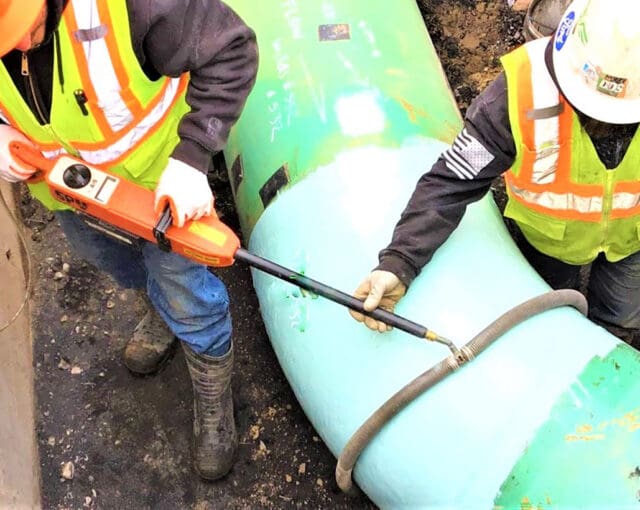
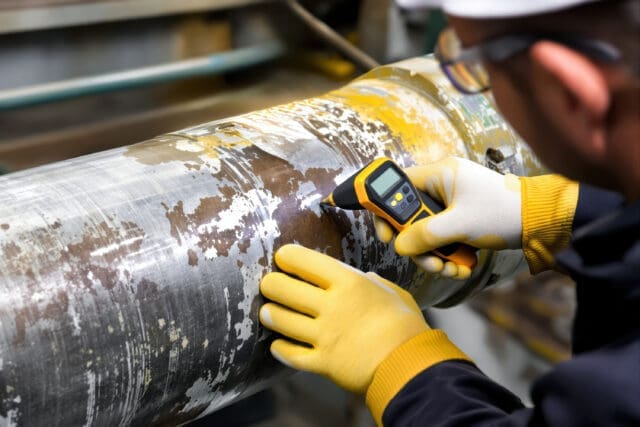
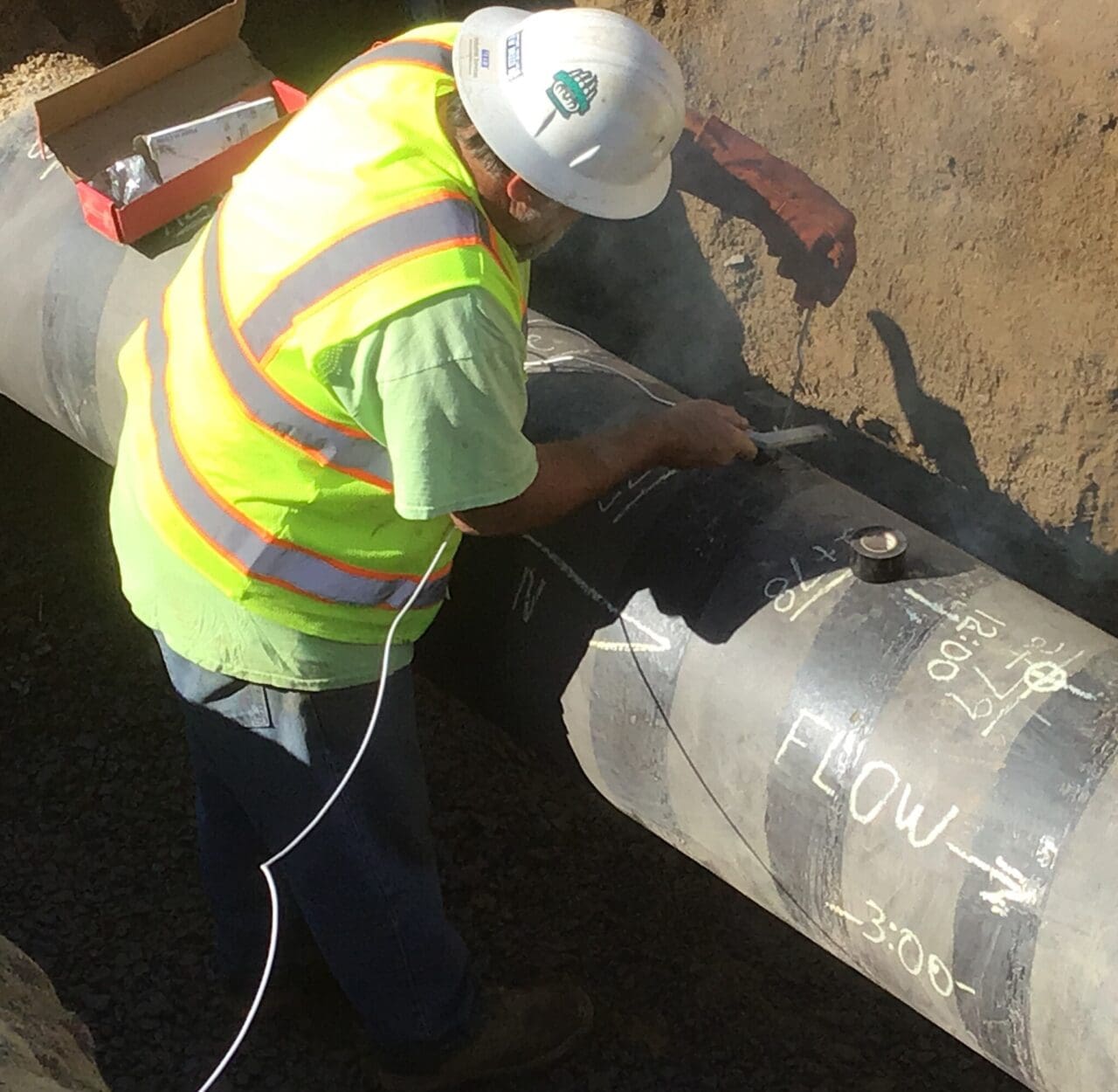
Once the sites were selected and prioritized for excavation, the team safely uncovered the pipeline to expose the surface. They performed a technical inspection of the coating, the pipe, and any features, examined the environment around the pipe, and used standard industry formulas to measure the pipeline’s structural integrity.
Phase III: Project Reporting, Recording, and Turnover
After documenting all the inspection results, LaBella compiled the following detailed findings:
- Wall thickness measurements using Ultrasonic Testing (UT)
- Corrosion assessment and pitting measurements
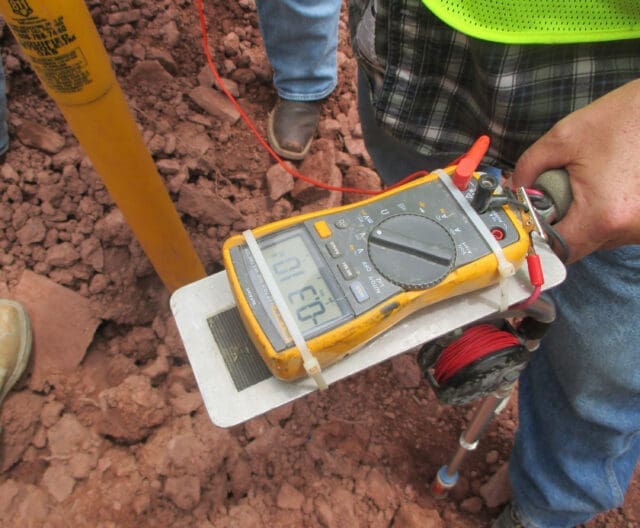
- Soil resistivity testing at defect sites in accordance with ASTM G57 standards
- Deposit analysis to identify corrosive agents
- Documentation of repair methods and materials
- Quality assurance checks on all remediation activities
The project concluded with the preparation of a comprehensive ECDA report, including GIS-compatible alignment updates, anomaly logs with severity rankings, repair documentation and quality assurance verification, and recommendations for future monitoring and mitigation.