Inline Inspection Verification Digs
Confirming Pipeline Integrity Where It Matters Most
To validate the integrity of a high-pressure natural gas transmission pipeline in Upstate New York, a large utility client initiated a series of inline inspection (ILI) verification digs to confirm the accuracy of previously collected ILI data and to assess the pipeline’s physical condition. LaBella’s Gas Integrity Team was entrusted with managing and inspecting 13 excavation sites along the pipeline corridor.
Phase I: Mapping & Mobilization
LaBella reviewed KMZ files, AutoCAD drawings, and GIS overlays to verify dig site locations and produce precise coordinates for identified anomalies. With locations marked, the team planned the excavation route, evaluated the need for state, local, and environmental permits, and notified landowners of potential disruptions.
Phase II: Excavation and Technical Inspection
Once the site was assessed for safety and stability, the excavation began, and LaBella’s inspectors ensured the trench dimensions were sufficient to provide full access to the pipeline for inspection and repairs.
Detailed assessments conducted by the team included:
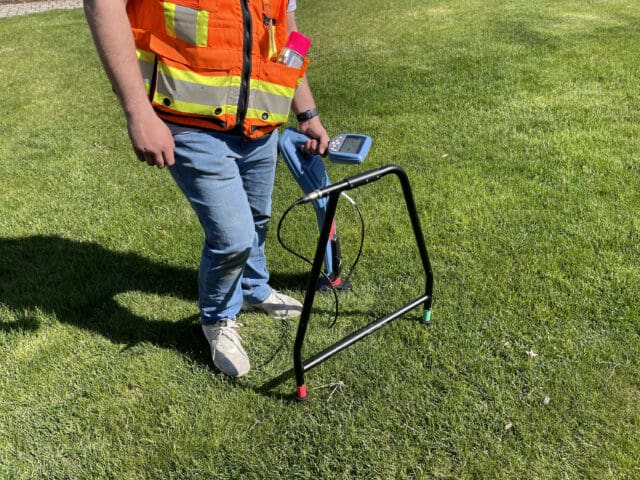
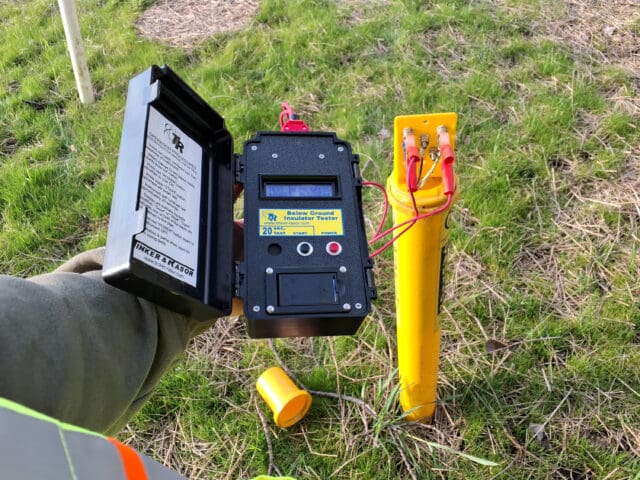
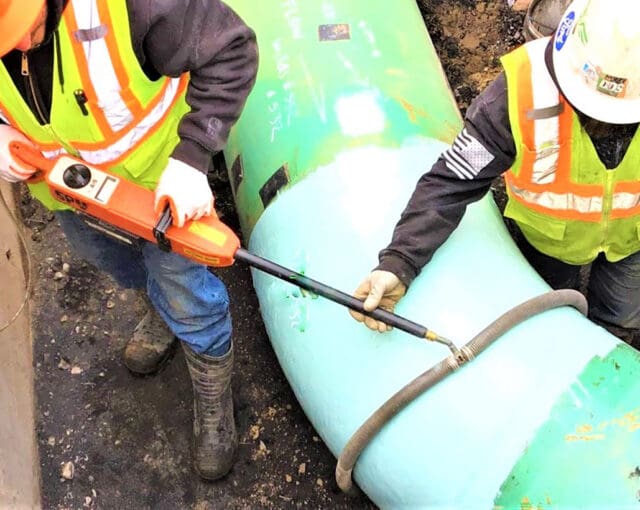
- Coating Condition Evaluation: Visual inspections to assess coating integrity, including signs of disbondment, blistering, and holiday formation.
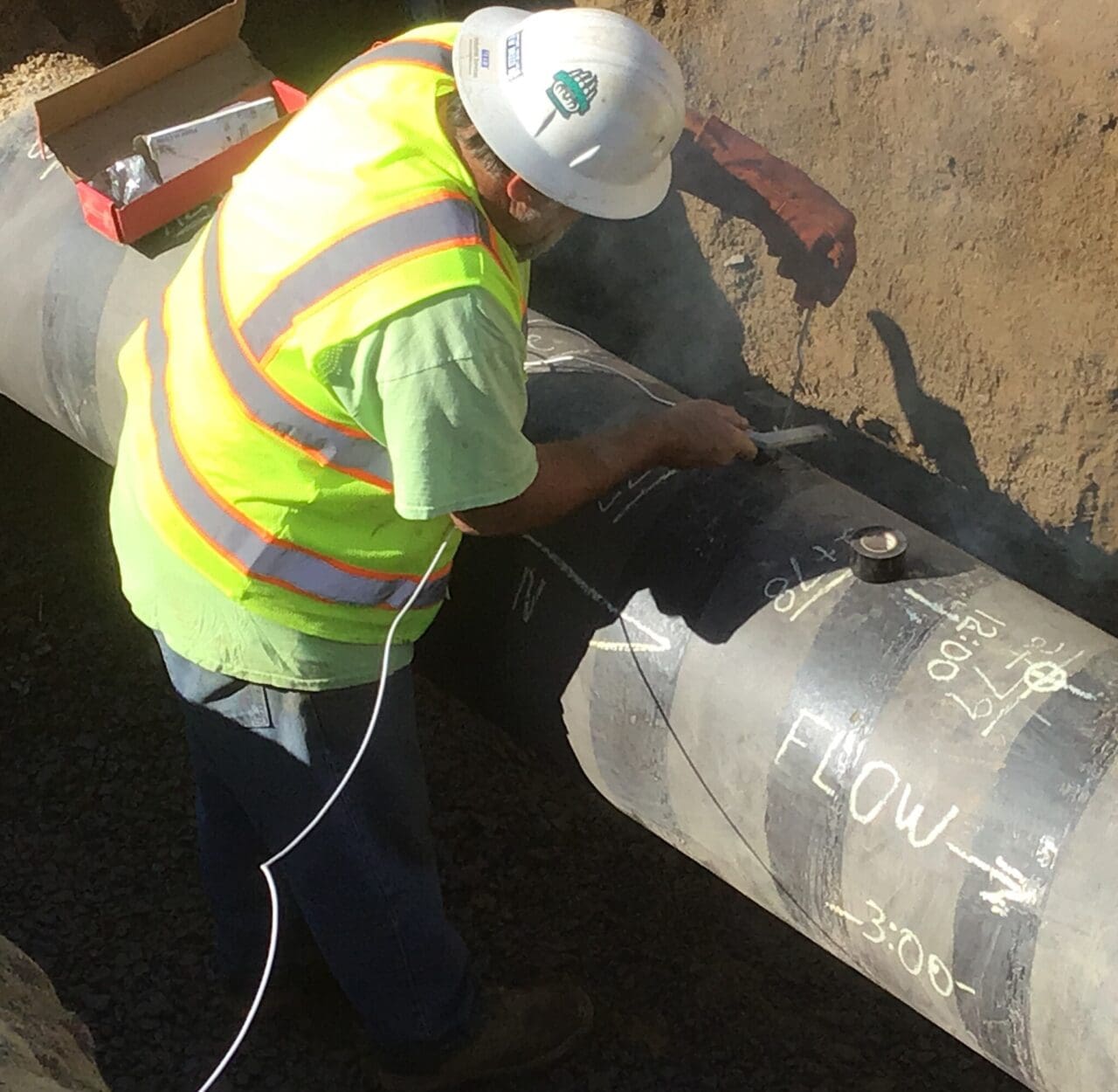
- Girth Weld Inspection: Visual examination of welds where surface anomalies were suspected. Non-Destructive Examination (NDE) techniques, including Magnetic Particle Testing (MT) and Ultrasonic Testing (UT), were deployed to verify weld integrity.
- Ovality and Deformation Checks: Measurement of pipe roundness to detect mechanical strain or denting and to compare results with ILI-reported deformation data.
All findings were documented using GPS-enabled field data collectors and integrated into an asset management system for traceability and future reference.
Phase III: Oversight and Compliance
Throughout the project, LaBella’s field construction oversight and project management support included leading kickoff and tailboard meetings, submitting Operator Qualification (OQ) documentation, preparing daily inspection reports, and coordinating with all project stakeholders.
This oversight ensured that all work was performed safely, efficiently, and in full compliance with federal, state, and corporate requirements.
Deliverables:
- Field inspection logs and photographic documentation
- Coating and soil analysis reports
- NDE results and weld condition summaries
- Daily reports and QA/QC checklists
- Final ILI verification dig summary report with recommendations
Relevant Regulatory Compliance: