Landfill Leachate Regulations Are Evolving: Here’s How to Prepare
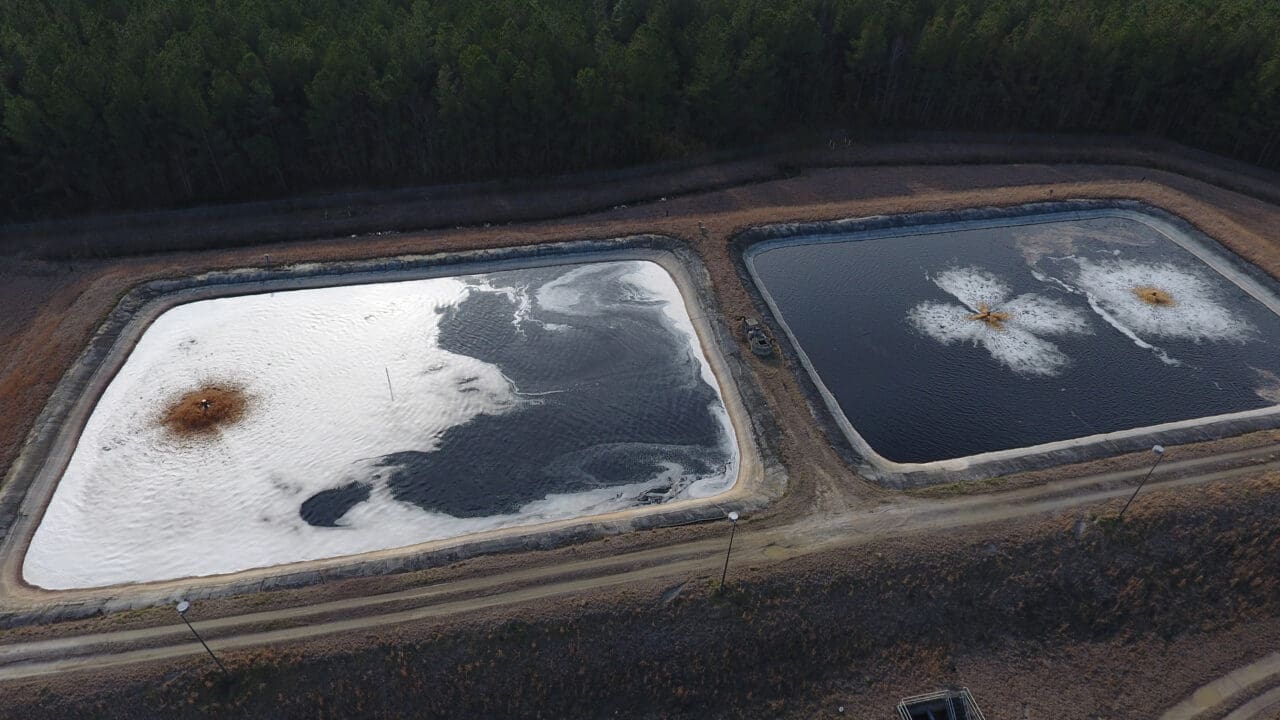
Federal regulation of per- and polyfluoroalkyl substances (PFAS), also known as “forever chemicals,” is accelerating and expected to directly impact county- and city-owned landfills and wastewater utilities. The United States Environmental Protection Agency (US EPA) is developing new national discharge standards for landfill leachate that will likely drive significant capital costs, operating expenses, and policy decisions at the local level.
Within the next three to five years, local governments may face unfunded mandates, rising rates, and increased operational complexity.
What Is Changing
The US EPA is updating Effluent Limitation Guidelines (ELGs) for landfills to address PFAS in leachate. Specifically, this means that treatment of leachate to remove PFAS must occur before leachate can be discharged to a wastewater treatment plant (WWTP). Requirements will be implemented through permits affecting both landfills and WWTPs. In fact, the US EPA is already instructing permit writers to use existing National Pollutant Discharge Elimination System (NPDES) and pretreatment tools before final ELGs are in place. In its PFAS permitting memos, the US EPA states that NPDES permits can include PFAS monitoring, best management practices, source identification, pretreatment actions, and, in some cases, technology-based or facility-specific permit limits.
The US EPA is currently targeting March 2027 to issue the proposed rule for PFAS ELGs for landfill leachate. Once a proposed rule is published in the Federal Register, it typically takes two years before the rule is final. Therefore, the rule is not expected to be final prior to March 2029.
How Local Governments Are Affected
Local governments are typically responsible for municipal solid waste landfills, WWTPs or publicly owned treatment works, and the ratepayer-funded infrastructure that supports both. As a result, they will be affected on multiple fronts.
If leachate can no longer be managed the way it is today, municipalities may need to build or expand treatment capacity at their landfills to remove PFAS prior to discharge. At the same time, receiving WWTPs may face new requirements, including additional monitoring, pretreatment controls, permit modifications, or even capital upgrades.
This dual impact is what makes the issue particularly complex. It is not solely a landfill challenge or a wastewater challenge. Rather it is both, and the costs and responsibilities may fall on the same local entity.
The US EPA has also acknowledged that publicly owned treatment works are not designed to effectively remove PFAS. As a result, the agency has emphasized reducing PFAS at the source before it reaches municipal treatment systems. This shift will likely require new infrastructure, operational changes, and coordination across departments.
PFAS enters landfills and WWTPs through consumer products, industrial discharges, and sewage sludge. These systems are often described as “passive receivers,” since neither system manufactures nor intentionally uses PFAS. Yet local governments remain responsible for managing and treating the resulting contamination.
For municipal WWTPs receiving landfill leachate, this creates pressure on both sides of the system. Utilities may be required to monitor and control PFAS even though they are not the original source, while landfills may be required to pretreat or limit PFAS before discharge. In many cases, these competing pressures fall on the same local government, compounding both operational and financial challenges.
Expected Impacts
The expected impacts to local governments will be significant, spanning financial, operational, and equity considerations.
From a financial perspective, local governments face substantial capital investment requirements. New landfill leachate treatment systems and potential WWTP upgrades will require significant upfront funding, in addition to ongoing monitoring and compliance costs. In many cases, the greatest risk is not a single investment but the need to fund both landfill and wastewater infrastructure upgrades at the same time.
Operationally, these requirements introduce a new level of complexity. Advanced treatment technologies (e.g., carbon filters, membranes) will be required to remove PFAS. These systems also generate residual waste streams, including concentrated PFAS, that must be managed and disposed of safely. In addition, increased regulatory oversight will require more intensive monitoring, reporting, and coordination across departments. These more complex treatment systems will also require specialized expertise, exacerbating the existing shortage of certified wastewater plant operators.
Finally, these impacts raise important equity considerations, as the costs for new and upgraded treatment systems will be passed on to local taxpayers and ratepayers. Yet neither local governments nor their residents manufactured or intentionally used PFAS in industrial processes, raising broader questions about how the financial burden of compliance should be distributed.
Implications for Decision-Making
Local government leadership should anticipate:
- Rate increases for solid waste and wastewater services
- Capital planning pressures in upcoming Capital Improvement Plan (CIP) cycles
- Interdepartmental coordination (solid waste + utilities + finance + legal)
- Increased public scrutiny over costs and environmental responsibility
There are steps local governments can take now to prepare. Begin incorporating PFAS scenarios into CIPs and evaluate funding strategies (e.g., rates, bonds, grants) to address capital and operational expenses. Align landfill and WWTP strategies to ensure coordinated planning across departments and assess whether current leachate management and disposal practices will remain viable under future regulatory requirements.
In parallel, conduct system-level assessments to better understand PFAS pathways. This may include identifying major contributors to WWTP influent and characterizing PFAS concentrations in both landfill leachate and wastewater streams. However, developing this data also carries potential regulatory and liability considerations that should be carefully evaluated.
Finally, participate in the national Passive Receiver Coalition, which is composed of organizations representing wastewater, water, public works, and solid waste interests. These organizations include the National Association of Clean Water Agencies, the Water Environment Federation, the American Public Works Association, the National Association of Counties, and the Solid Waste Association of North America, among others, who are advocating for source control, federal funding support, and legal protections for passive receivers.
PFAS regulation is expected to create financial and operational impacts for local governments, particularly where landfills and wastewater utilities intersect. For local government landfills, the risk extends beyond permit limits at the landfill itself to the combined effects on leachate management, WWTP permits, capital budgets, operations and maintenance, staffing, and overall liability.
These impacts are interconnected and, in many cases, will fall on the same local entity. As a result, early planning and coordinated strategy will be critical to managing costs and avoiding reactive decision-making.