New York’s Environmental Regulations in Transition: What Municipalities Need to Know
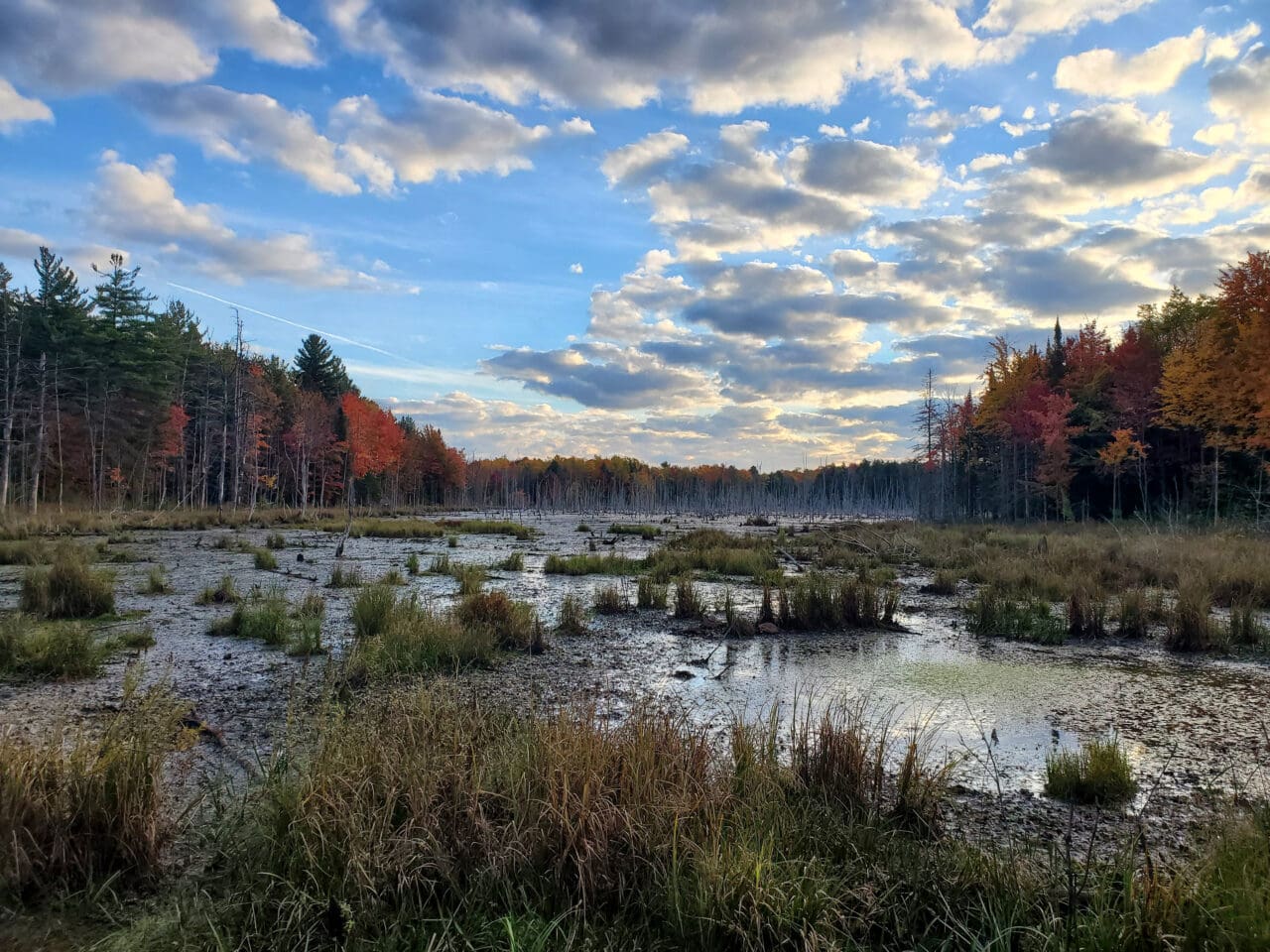
For decades, New York’s Freshwater Wetlands Act (FWA) provided a relatively predictable framework for determining when development projects would require state wetland permits. State wetland maps developed by the New York State Department of Environmental Conservation (NYSDEC) identified regulated wetlands throughout the state. The maps became a key planning and permitting tool, serving as reliable guidelines to municipalities during project review.
Today, however, municipalities across New York find themselves navigating a period of uncertainty. A series of regulatory updates and a recent court decision have fundamentally altered the landscape of freshwater wetland regulation. As local governments continue to review projects, understanding the status of environmental regulations has become increasingly important.
Shifting Regulations
Recognizing increasing concerns regarding flooding, water quality, habitat protection, and climate resilience, New York State began enacting significant amendments to the FWA.
In 2022, initial changes expanded the state’s authority to regulate wetlands. Permit application fees increased, enforcement capabilities were strengthened, official wetland maps became informational rather than regulatory, and the criteria for regulated wetlands expanded.
The changes also updated procedures for jurisdictional determinations (JDs), official evaluations used to determine whether wetlands on a property are subject to state permitting requirements. These changes represented a major shift from previous practice, requiring applicants and municipalities to rely more heavily on field wetland delineations rather than mapped boundaries.
In spring 2026, the New York State Supreme Court annulled the adopted regulations, determining that NYSDEC failed to comply with requirements under the State Environmental Quality Review Act (SEQR) during the rulemaking process. As of July 2026, NYSDEC has not chosen to appeal.
What Municipalities Need to Know
While replacement regulations are being developed, municipalities should understand several important aspects of the current regulatory framework as it stands as of July 2026:
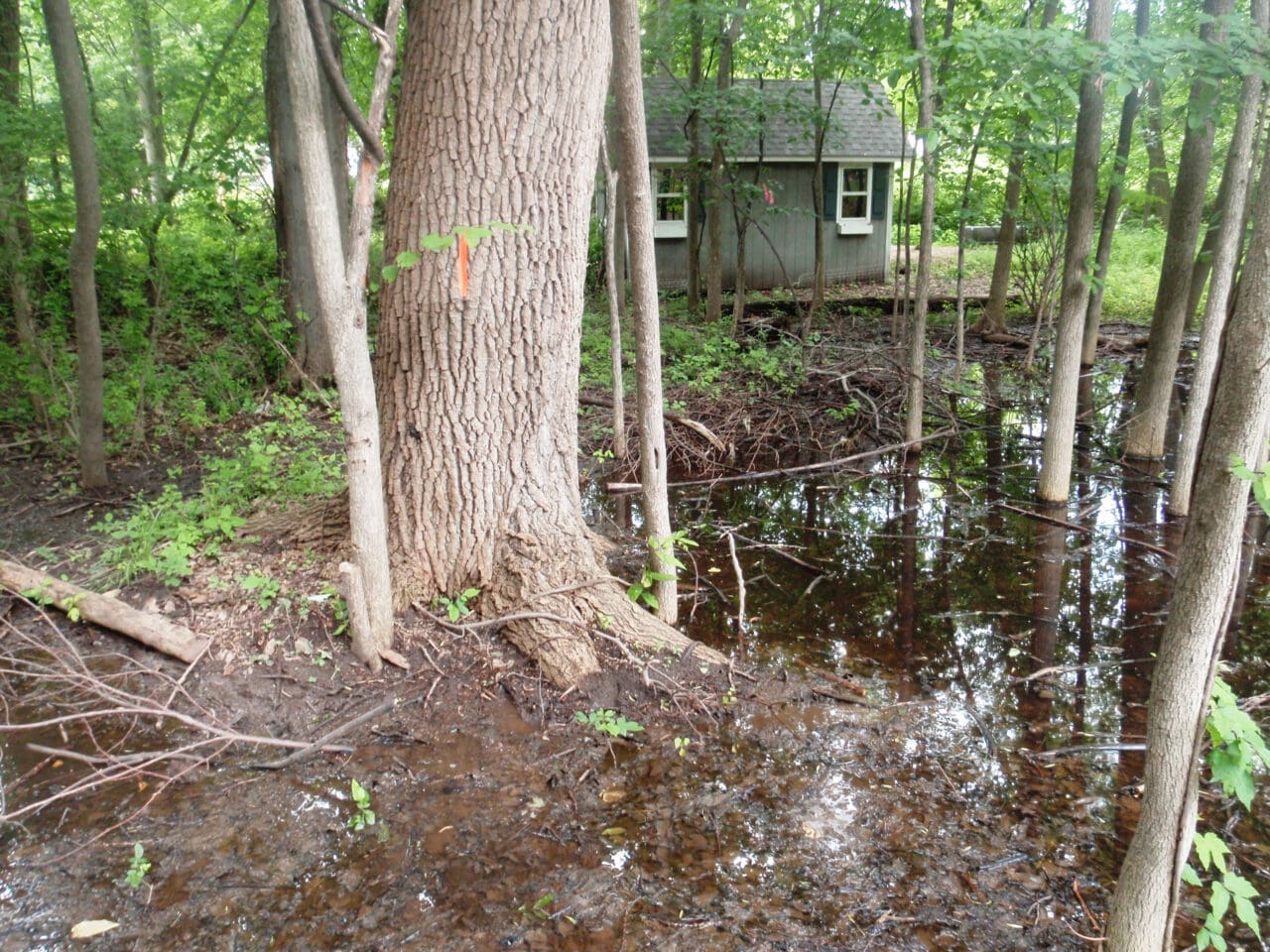
- NYSDEC continues to regulate previously mapped freshwater wetlands, wetlands that are 12.4 acres or larger and their 100-foot adjacent areas, and wetlands within 50 meters of a NYSDEC wetland if they are hydrologically connected.
- Expect increased use of JDs. Several JD pathways are available, including Parcel JDs, Consultant-Assisted Parcel JDs, and Project JDs. Municipalities can require an applicant to obtain a JD if there are any questions surrounding wetlands on a project site.
- To help manage an increasing number of projects requiring wetland review, NYSDEC developed several general permits intended to streamline authorization for recurring activities. General permits can significantly reduce review times compared to individual permit applications. Several general permits have already been finalized for specific types of development projects, including, but not limited to, community-scale solar, electric utility, natural gas utility, and housing development.
Looking Ahead
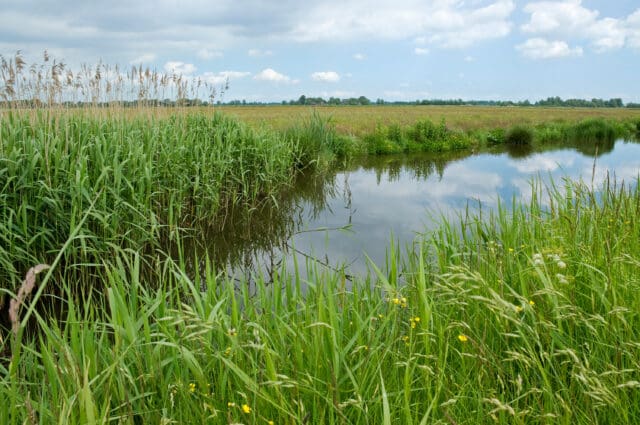 Despite current legal uncertainty, municipalities should remain focused on long-term regulatory trends. Perhaps the most significant future milestone is scheduled for January 1, 2028, when the default size threshold for regulated wetlands will decrease from 12.4 acres to 7.4 acres. This change would substantially expand the number of wetlands potentially subject to state regulation.
Municipalities may see increasing demands for wetland delineations, JDs, environmental review, and permitting support as more properties fall within potential regulatory oversight.
Additionally, NYSDEC plans to release new criteria for wetlands of “unusual importance” in the future, that would allow NYSDEC to regulate wetlands of any size if they fit these criteria.
For municipalities, the safest approach is the following:
- Continue screening projects for wetlands early in the review process using online informational wetland mapping and in-field wetland delineations.
- Encourage applicants to obtain formal JDs from NYSDEC.
- Do not assume that the absence of a mapped wetland means NYSDEC lacks jurisdiction.
- Anticipate longer review times for projects involving potential wetlands until replacement regulations are adopted.
A Period of Change Requires Vigilance
New York State is entering a period of significant regulatory transition. Changes in regulations are creating uncertainty around jurisdiction over many wetlands and increasing the importance of early wetland screening and formal JDs. To successfully navigate these changes, municipalities should encourage early environmental due diligence, maintain close coordination with NYSDEC and qualified environmental consultants, and train planning and zoning boards on evolving requirements. Communities that remain informed and adaptable will be best positioned to balance economic development, infrastructure investment, and environmental stewardship in an increasingly complex regulatory landscape.