City of Hudson Community Waterfront Resiliency
Keeping Hudson’s Waterfront Within Reach
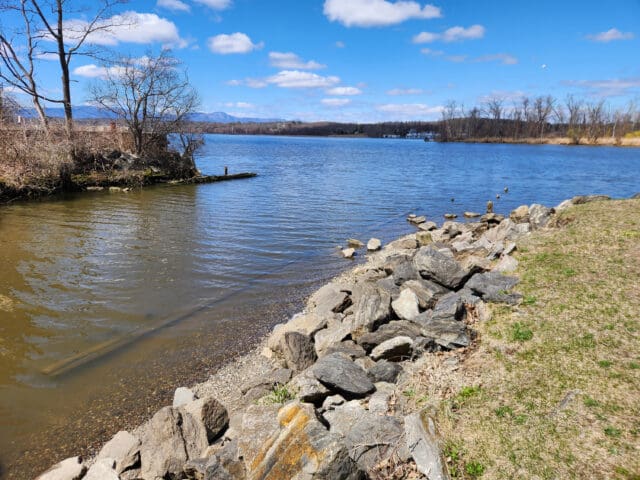
For generations, Henry Hudson Park has connected the City of Hudson community to the waterfront. The 6.3-acre park along the Hudson River is a popular destination for fishing and kayaking and comes alive during seasonal events like “Waterfront Wednesdays,” when concerts and local vendors bring people to the shoreline.
But the park’s waterfront location also makes it vulnerable to a changing climate. Located below the Federal Dam in Albany, the park could experience water levels up to five feet higher by the end of the century as sea levels rise. Rather than waiting for those changes to impact the park, the City of Hudson is planning for a waterfront that can adapt over time.
LaBella teamed with Assemblage Landscape Architecture to secure funding through a New England Interstate Water Pollution Control Commission (NEIWPCC) grant administered by the New York State Department of Environmental Conservation (NYSDEC). Together, the team developed an adaptive design approach that allows the park’s layout and uses to evolve as water levels rise—helping ensure the waterfront remains accessible and welcoming for generations to come.
LaBella supported the project through environmental and geotechnical investigations, historical research, permitting coordination, and design development. The team also worked closely with the City, the utility company, adjacent property owners, and regulatory agencies to understand the site’s unique challenges and identify a path forward.
The resulting design maintains the vision for the park while incorporating features that can adapt to changing water levels. Plans include an intertidal planting area, elevated berm and fishing pier, accessible walkways, a new pedestrian bridge, kayak launch and education area, and an ADA-compliant floating dock.
One of the most innovative aspects of the design is how it will change with the waterfront over time. As water levels rise, the elevated berm and fishing pier will gradually become an island, connected to the rest of the park by an elevated walkway. This approach allows visitors to continue reaching the waterfront without relying on imported fill to continually raise the site.
The completed design was submitted to NYSDEC and the U.S. Army Corps of Engineers as part of a Joint Permit Application, positioning the project to move toward construction. With the project scheduled for completion in December 2025, the City plans to pursue additional funding, with construction anticipated to begin in Spring 2027.