Wyoming County Soil & Water Conservation District Tonawanda Creek Bank Stabilization Project
From Erosion to Restoration
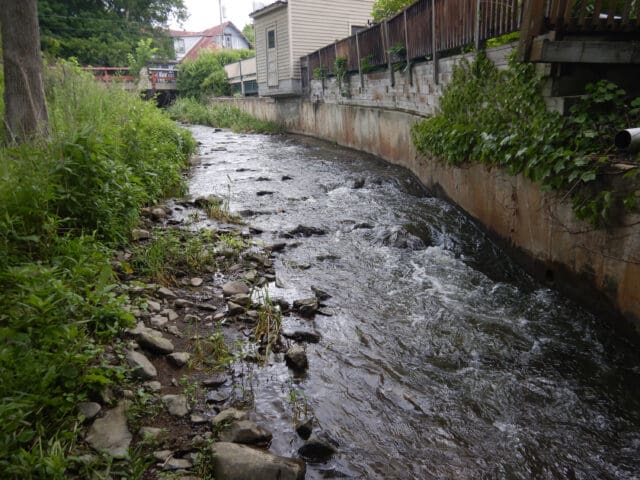
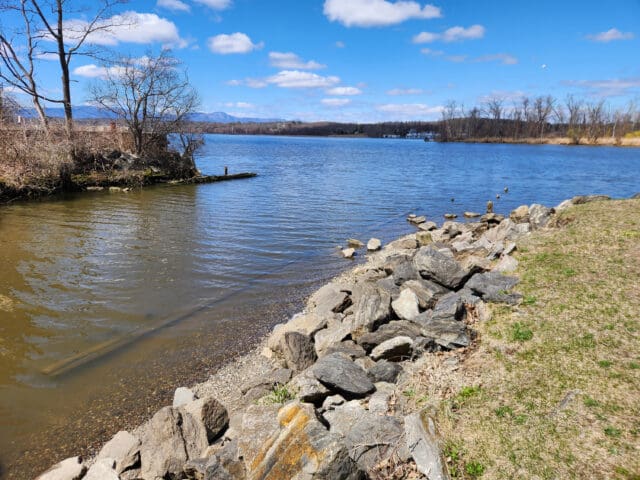
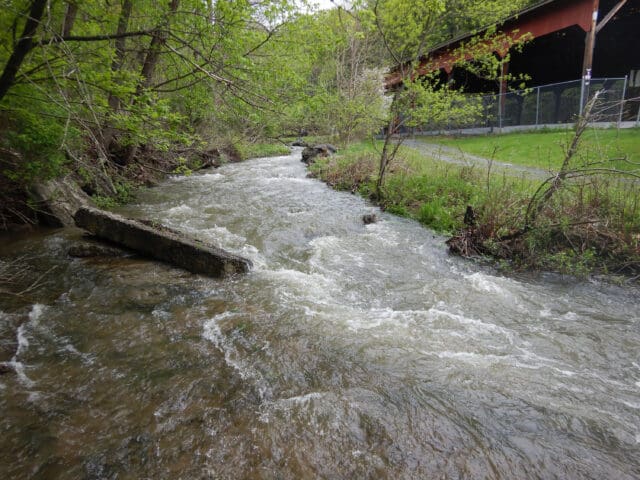
Along Tonawanda Creek in Attica, NY, streambank erosion had become a growing concern—bringing the creek to within just 15 feet of a self-storage building. To help protect the property and restore the health of the creek, the Wyoming County Soil and Water Conservation District turned to LaBella to develop a long-term solution.
LaBella began by studying the creek and surrounding landscape, combining field surveys, geotechnical investigations, and site observations to understand the forces driving erosion and the opportunities to restore stability. The team developed four potential approaches and worked closely with the Soil and Water Conservation District to identify a solution that would address the immediate erosion concerns while creating lasting environmental benefits.
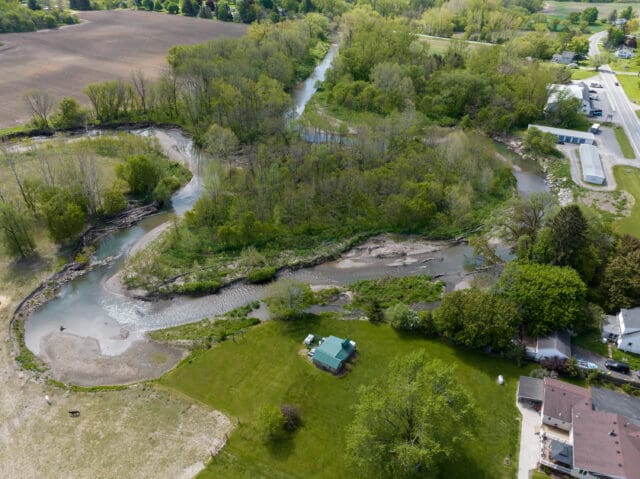
The preferred approach takes a nature-based path: rather than simply reinforcing the existing streambank, the design gives the creek more room to move. The plan redirects the creek into a central channel and creates an oxbow wetland within the existing landscape, allowing floodwaters to spread into the floodplain while reducing pressure on vulnerable streambanks.
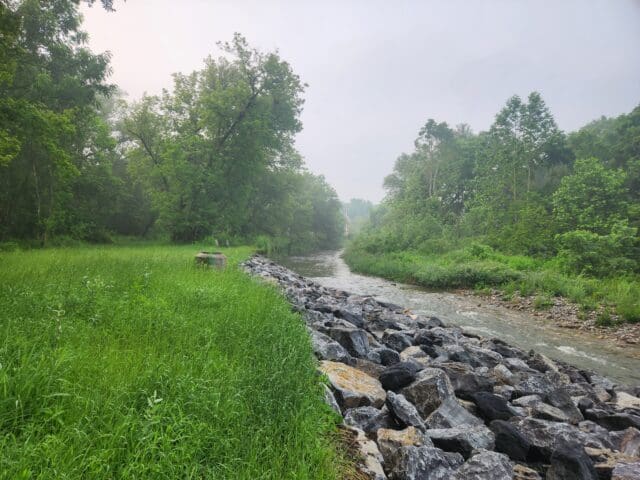
The design incorporates expanded floodplain areas and flood benches, native wetland and riparian plantings, and targeted erosion protection to stabilize the creek and surrounding landscape. During larger storm events, water can flow over an earthen berm and into the new oxbow wetland, creating additional space for floodwaters and helping protect the nearby self-storage building from continued erosion.
Beyond restoring the creek, the design considers the practical details needed to bring the project to life, including site access, construction phasing, invasive species management, and erosion and sediment controls. LaBella also prepared a construction cost estimate to support the Soil and Water Conservation District’s efforts to secure grant funding.
By making room for the creek and restoring natural floodplain functions, the project offers a solution that protects property while creating a healthier, more resilient stream corridor for the future.